

Understanding Heart Health
Many people are concerned about their heart health and blood pressure. This worry often grows as we age or if we have a family history of heart issues. Symptoms like fatigue, stress, or even high blood pressure readings can push someone to look for extra support. This is where heart and blood pressure supplements come into play. They may help those looking to maintain a healthy heart and circulation.
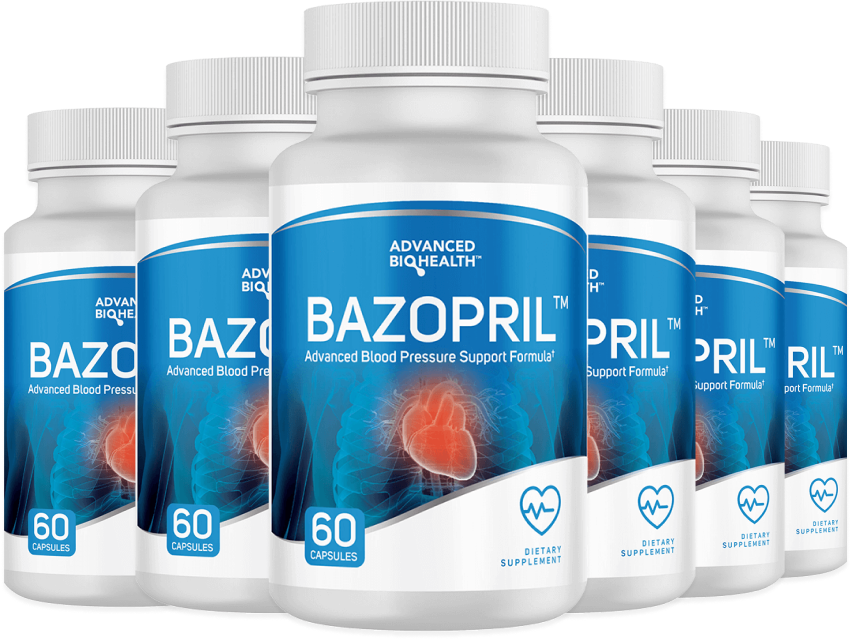
These supplements come in many forms, each designed to support heart function in different ways. For instance, some products may focus on promoting healthy cholesterol levels. Others may aim to improve circulation or support overall cardiovascular health. Names like ColestZen, Bazopril, and Cardio Shield hint at their intended benefits, but it's important to look deeper into what each product offers.
Choosing the Right Formula
When shopping for heart and blood pressure supplements, it's essential to understand the options available. Some formulas may contain a blend of ingredients that are believed to promote heart health. Others might focus on specific areas, like blood pressure regulation. Knowing the difference can help you make a better choice.
Reading labels is crucial. Check the list of ingredients and look for those that align with your health goals. Additionally, note the serving size and how often you need to take the supplement. This information can affect how well a product fits into your daily routine. Always ensure you understand how a supplement is meant to help before deciding.
Using Supplements Wisely
Once you've selected a heart and blood pressure supplement, using it properly is key. Follow the directions on the label carefully. This includes dosage and timing. Some supplements may work best with food, while others could be taken on an empty stomach. Understanding these details can enhance their effectiveness.
It's also wise to consult with a healthcare professional before starting any new supplement. They can provide personalized advice based on your health history and current medications. Remember, supplements are meant to support a balanced lifestyle. Eating well, exercising, and managing stress are equally important for heart health.
Understanding Refund Policies
When buying supplements online, it's wise to check the refund policy. A fair refund policy usually allows you to return the product within a certain timeframe if you're not satisfied. Look for details about how long you have to make a return and if you need to keep the original packaging. Some companies might offer a money-back guarantee, while others might not.
Before you make a purchase, read the refund policy carefully. This way, you’ll know what to expect if the product doesn’t meet your needs. If a company doesn’t have a clear or reasonable return policy, it might be best to shop elsewhere. This can help you avoid wasting money on a product that isn’t right for you.
Common Buying Mistakes
Many new shoppers make common mistakes when buying supplements online. One of the biggest mistakes is not researching the product before buying. It’s easy to get caught up in flashy marketing or bold claims. Take your time to read the details, compare options, and understand what each product, like ColestZen or Cardio Shield, aims to support.
Another mistake is overlooking the importance of ingredient transparency. Check to see if the manufacturer provides clear information about what’s in the supplement and where the ingredients come from. This can help you make a more informed decision and find a product that fits your needs.
When to Consult a Doctor
It’s always a good idea to talk to a healthcare professional if you have specific health concerns or are taking other medications. Supplements are meant to support health, but they may not be suitable for everyone. If you’re unsure about starting a new supplement or if you have underlying health issues, reach out to your doctor for advice.
Using this page's product list, such as Bazopril, can help you find options that may support your heart health. However, remember that supplements are not a substitute for a healthy lifestyle or medical treatment. Always prioritize discussions with your healthcare provider to ensure you're making the right choices for your body.
